


26 februari 2026


Aangemaakt: 04 februari 2026
On 28 January 2026, the court of The Hague rendered its judgment in the class action between Greenpeace and the Dutch State.
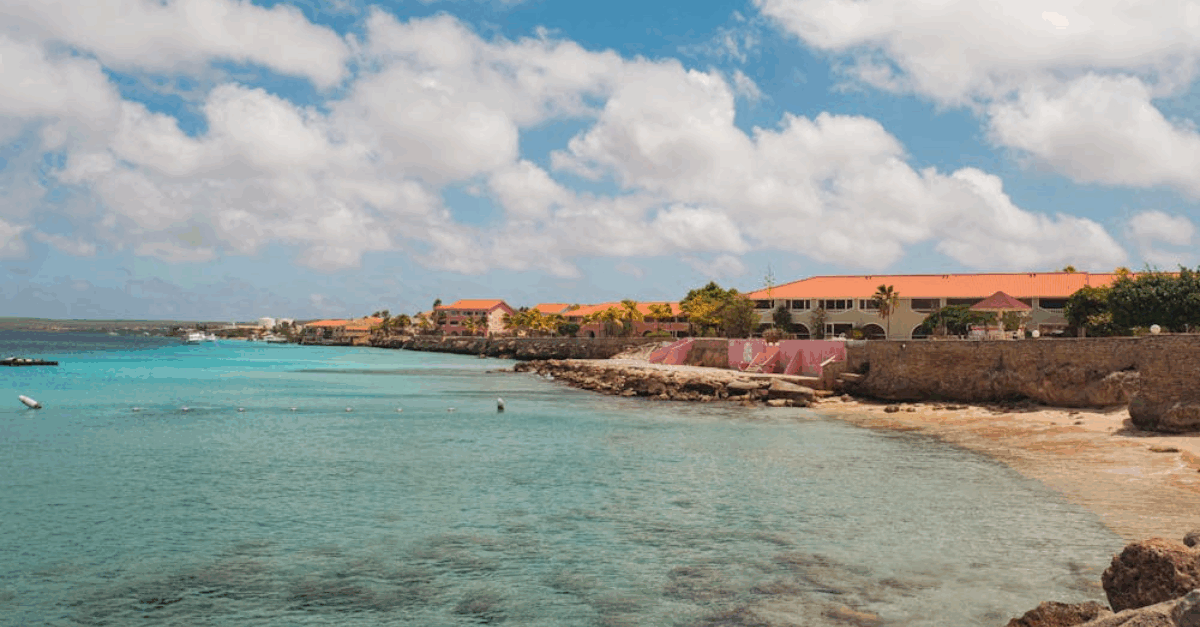
Greenpeace represented the residents of Bonaire, a Caribbean island that holds the status of special municipality (bijzondere gemeente) in the Netherlands. Due to its location, small size and high economic dependence on tourism and imports, islands like Bonaire are particularly vulnerable to the negative effects of climate change according to the court ruling.
Greenpeace argued that the State failed to take sufficient mitigation and adaptation measures to protect the residents of Bonaire from the adverse effects of climate change, resulting in a breach of its obligations under article 8 European Convention on Human Rights (ECHR) and the International Covenant on Civil and Political Rights. Greenpeace also contended that the measures the State did take were taken much later and less systematically for the residents of Bonaire than for those living in the European part of the Netherlands, resulting in a breach of article 14 ECHR and Article 1 of the 12th Protocol to the ECHR.
Following the European Court of Human Rights’ ruling in KlimaSeniorinnen, the court of The Hague applied an ‘overall’ assessment of the mitigation and adaptation measures taken by the State. The court concluded that the State acted (and acts) in breach of article 8 and 14 of the ECHR and article 1 of the 12th Protocol to the ECHR. As a result, the State also acted unlawfully (onrechtmatig).
The court ordered the State to incorporate economy-wide binding emission-reduction targets, consistent with the Paris Agreement, in national legislation within 18 months, including interim targets for the period up to 2050. In addition, the State must make the remaining national emission allowance transparent and must draw up an adaptation plan for Bonaire that is ready for implementation in 2030. It is for the legislator to determine how these targets are to be achieved.
Curious to read the full judgment? Check the links below for both the English and Dutch versions:
ECLI:NL:RBDHA:2026:1344, Rechtbank Den Haag, C/09/659832 / HA ZA 24-53
ECLI:NL:RBDHA:2026:1347, Rechtbank Den Haag, C/09/659832 / HA ZA 24-53 (English translation)
Would you like to know more about the implications of this judgment or about Dutch class actions in general? Please don’t hesitate to contact Leonore Bruining (L.Bruining@wijnenstael.nl) or Daniël Vissers (D.Vissers@wijnenstael.nl).